Sluit menu
Binnenland
Buitenland
Economie
Den Haag
Cultuur
Wetenschap
Sport
Opinie
Columnisten
Tech en Media
Boeken
Leven
Slim leven
In Beeld
Carrière
Klimaat
Recht
Podcast
Archief
Luister naar
Commentaar
Ombudsman
Puzzels
Magazine
Service
Webwinkel
Familieberichten
Over NRC
Service
Bezorgservice
Onderbrekingsservice
Verhuisservice
Mijn gegevens
Mijn abonnementen
FAQ Digitaal Lezen
Nieuwsbrieven
Veelgestelde vragen
Mijn leeslijst
Digitale krant
Wachtwoord vergeten
Menu
NRC
Abonneren
Mijn nieuws
Podcasts
Digitale krant
Puzzels
Mijn NRC
Terug
Lees meer
Inloggen
Neem een abonnement
Mijn nieuws
Mijn leeslijst
Mijn geschiedenis
Digitale krant
Nieuwsbrieven
Onderwerpen
Ik ben abonnee
Neem een abonnement
Instellingen
Weergaveopties
Uitloggen
Hoe kunt u ons bereiken?
Vanwege het coronavirus werken onze medewerkers thuis.
Service
Privacy-instellingen
Notificaties
Lichte weergave
Donkere weergave
Volg instellingen van mijn apparaat
Bezorgservice
Vakantieservice
Verhuisservice
Mijn gegevens
Mijn abonnementen
Abonnement delen
Gedeeld abonnement
FAQ Digitaal Lezen
Veelgestelde vragen
Wachtwoord vergeten
Mijn nieuws
Binnenland
Buitenland
Economie
Den Haag
Cultuur
Wetenschap
Opinie
Boeken
Leven
Carrière
Webwinkel
Puzzels
Al abonnee?
Inloggen
Vandaag
Militaire steun Oekraïne
Alle ogen op het Huis van Afgevaardigden: verlengt Washington de hulp aan Kyiv?
Maakt het Amerikaanse Congres eindelijk de weg vrij voor militaire steun aan Oekraïne? Het lijkt erop, nu speaker Mike Johnson zich er sterk voor maakt. Voor Kyiv komt het geen moment te vroeg.
Formatie
Drukt een nieuw kabinet straks op de pauzeknop rond het klimaat of wordt het toch de shredder?
Dat de hogere heffing op CO2-uitstoot voor de industrie het niet zal halen, lijkt een kantelpunt te zijn in de koers voor het klimaatbeleid van de komende partijen.
Straf Vitesse
Vitesse krijgt achttien wedstrijdpunten in mindering en degradeert uit Eredivisie
De kous is nog niet af voor de Arnhemse club. Het mag de proflicentie houden, maar over andere mogelijke overtredingen van de club moet de commissie nog een oordeel vellen.
Profiel
Frans Timmermans
Tegen wil en dank is Frans Timmermans vooralsnog oppositieleider. Hoe vergaat hem dat tot nu toe?
Zolang de formatie duurt, is de rol van de oppositie beperkt. De fractieleider van GroenLinks-PvdA heeft het er moeilijk mee.
Miljoenenbonus
De topman van autobouwer Stellantis krijgt een bonus van 36,5 miljoen
Aandeelhouders zijn boos over de bonus van de baas Carlos Tavares van Stellantis. De verhoging komt op een moment dat de autobouwer bezig is met een kostenbesparingsoperatie.
Laatste nieuws
Meer
Uitspraak
Celstraffen van 17 en 15 jaar in hoger beroep voor verdachten moordaanslag op advocaat Schol
Analyse
Midden-Oosten
Israël doet kleinschalige tegenaanval en Iran lijkt af te zien van nieuwe wraak
Sociale media
AP: ‘Overheid moet stoppen met Facebook als Meta privacy niet verbetert’
Noordzeegas
Gaswinningsproject in Noordzee strandt bij de rechter, nieuwe domper voor gasambities van rechtse partijen
Crisis Midden-Oosten
Iran onderschept vermoedelijk Israëlische drones, officiële reactie blijft uit
Hazen
Chinese recordhouder moet medaille inleveren na vreemde taferelen vlak voor de eindstreep van marathon Peking
Analyse
Musical Awards
Musical Awards 2024: voor avontuur moet je naar de kleine musicals – of naar de grote favoriet
Asielopvang
COA-directeur Ter Apel neemt na halfjaar ontslag uit onvrede over onveilig en overvol aanmeldcentrum
Samenwerking
Argentinië wil partner worden van NAVO om een prominentere rol te krijgen op wereldtoneel
Meest gelezen
Interview
Inez Weski
|
ex-advocaat
Ex-advocaat Inez Weski over haar arrestatie: ‘Het Openbaar Ministerie bood me aan kroongetuige te worden’
Column
Youp van ’t Hek
Plonsdrol
Militaire steun Oekraïne
Alle ogen op het Huis van Afgevaardigden: verlengt Washington de hulp aan Kyiv?
Profiel
Frans Timmermans
Tegen wil en dank is Frans Timmermans vooralsnog oppositieleider. Hoe vergaat hem dat tot nu toe?
Formatie
Drukt een nieuw kabinet straks op de pauzeknop rond het klimaat of wordt het toch de shredder?
Meer nieuws
Niet te missen
Column
Youp van ’t Hek
Plonsdrol
Toen Iran vorige week vrijdag de drones en raketten startklaar maakte om de Derde Wereldoorlog een stapje dichterbij te brengen, keek ik in mijn kleedkamer van de Groningse Stadsschouwburg naar Sophie Hilbrand, die twee verstandelijk gehandicapte dames in haar televisieprogramma ontving.
Salman Rushdie
Salman Rushdie schreef
Mes
over de aanslag op zijn leven: ‘Dichter bij de dood dan dit kom je niet.’
In Mes beschrijft Salman Rushdie de aanslag op zijn leven in 2022, die hem een oog kostte. ‘Het was onmogelijk voor me om dit te fictionaliseren, het hele punt is juist dat dit echt is gebeurd’
Recensie
Taylor Swift
|
●●●
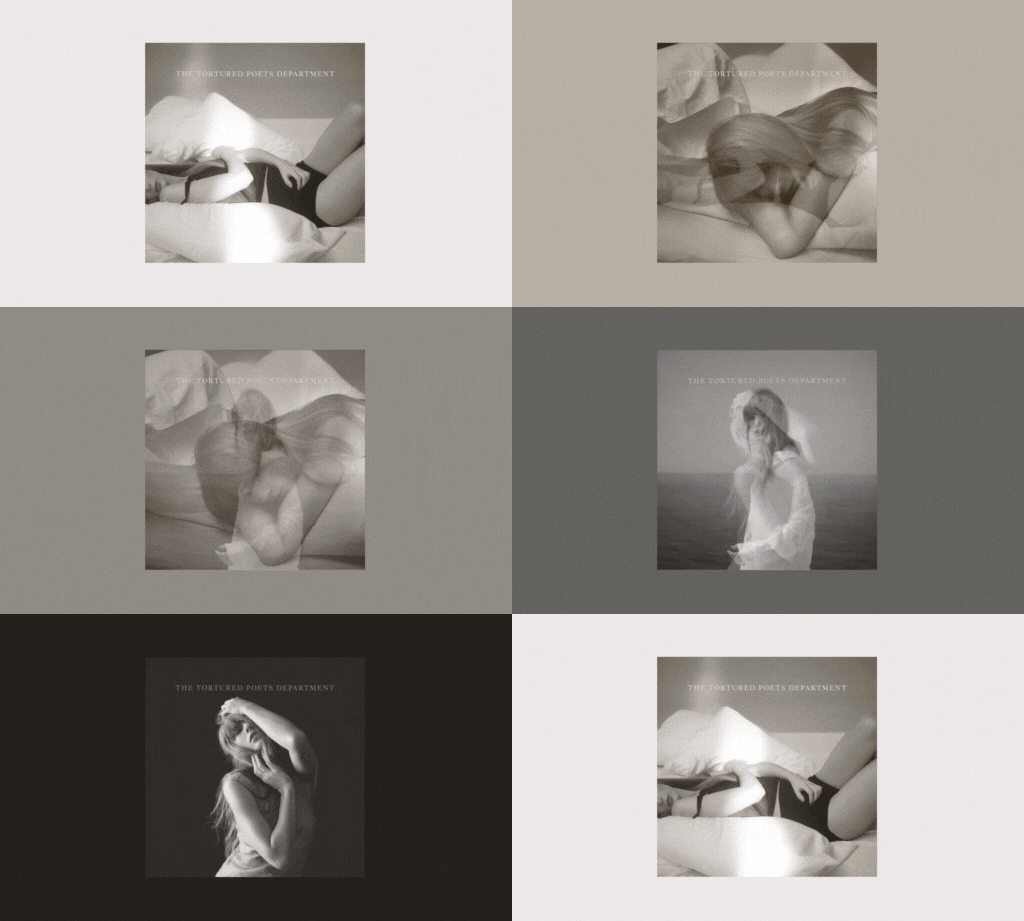
Ergens in Taylor Swifts overvolle nieuwste plaat zit een prachtig album verstopt
De wereld wachtte met ingehouden adem op het elfde album van superster Taylor Swift. Tot ieders verrassing werd het een twee uur durend dubbelalbum, The Tortured Poets Department, een plaat vol grijze luchten.
Column
Grote woorden in een wereld die steeds wankeler wordt
Macht gaat gepaard met verantwoordelijkheid, zei Spiderman al. Regeringsleiders die een grote mogendheid willen zijn, moeten we bloedserieus nemen, vindt Beatrice de Graaf.
Interview
Inez Weski
|
ex-advocaat
Ex-advocaat Inez Weski over haar arrestatie: ‘Het Openbaar Ministerie bood me aan kroongetuige te worden’
Een jaar geleden werd strafpleiter Inez Weski opgepakt. Ze zou lid zijn van de drugsbende van Ridouan Taghi. In dit eerste interview sinds haar arrestatie blikt ze terug op haar „hallucinante” belevenissen. „Ik wilde er niet meer zijn.”
Recensie
Filosofie
In de voetsporen van de revolutionaire denker Kant
Driehonderd jaar geleden werd Immanuel Kant geboren. Marcus Willaschek beschrijft in zijn toegankelijke boek hoe de Duitse filosoof een revolutie in het denken veroorzaakte.
Reportage
Oosterschelde
De kreeften in de Oosterschelde zijn op. Zijn ze vergiftigd door de staalslakken?
De kreeften in de Oosterschelde zijn gedecimeerd. Vissers verliezen inkomsten, consumenten lopen mogelijk risico. „Vorig jaar ving ik in deze tijd per dag vijfentwintig kilo. Nu nog maar twee.”
Opinie
Onderwijs
De economiedocent kan ook prima burgerschap onderwijzen
Als docent geschiedenis en maatschappijleer juicht Gijs Korenblik de nieuwe curriculumhervormingen niet gelijk toe. Een oneerlijke verdeling van uren komt niemand ten goede, stelt hij.
Boeken
Recensie
Philipp Blom
De hele zestiende eeuw in een roman gepropt
Hij waagde zich aan een historische roman over de zestiende eeuw. De gebeurtenissen buitelen over elkaar en er is nauwelijks sprake van een echt plot.
Recensie
Eetgedrag
De voedingsindustrie voert een oorlog om onze ‘lekkere trek’
Teun van de Keuken verklaart de oorlog aan de voedingsindustrie die, zo betoogt hij in een pamflet, uit winstbejag de mens ziek maakt.
Recensie
Josephine Johnson
Deze klassieker over droogte en klimaatverandering is ten onrechte vergeten
Ze was in 1935 de jongste Pulitzer Prize-winnaar ooit, maar toch werd ze vergeten. Ten onrechte, haar Dust Bowl-roman leest alsof die nu geschreven is.
Meer
Meer
Opinie & Columns
Commentaar
Gaswinning in Groningen
De overheid moet zich blijven bewijzen als betrouwbare partner voor de Groningers, ook na het sluiten van de gaskranen
Laat 16 april 2024, de dag van het besluit om de gaswinning in Groningen na 61 jaar voorgoed te beëindigen, niet de boeken ingaan als een feestdag, maar als een gedenkdag van chronisch systeemfalen.
Column
Dino Gacevic
In de tovertuin van
Mijn moeder de gans
Dertigduizend doden. Dertienduizend gestorven kinderen. Infrastructuur aan gort, geen zorg. Een desolaat land, een totaal ontheemd en verdrongen volk. Honger, pijn, wonden, kou, diarree.
Column
Frits Abrahams
Tegen machtsmisbruik
Deze week nam Joep Dohmen afscheid van zijn krant, NRC. Hij gaat als 64-jarige met prepensioen. Hij was eraan toe na een stressvolle loopbaan als onderzoeksjournalist, een van de…
Meer Opinie & Debat
Meer
Beste van NRC
Negen vragen over bitcoin halving
Feest voor bitcoinfans, de ‘halving’ komt eraan. De wat?
Opwinding in de bitcoinwereld. Deze week is het tijd voor de ‘halving’, die – zoals de code voorschrijft – eens in de vier jaar plaatsvindt. Klinkt ingewikkeld, dat is het ook. Een duik in de cryptotechniek en -ethiek.
Gokbedrijf
PSV komt niet los van dubieuze goksponsor
PSV sloot jaren geleden een schimmige sponsorovereenkomst met het Aziatische gokbedrijf Wellbets. De club staat nog steeds op de website. Na publicatie in NRC probeerde de Eindhovense voetbalclub zijn naam van de website van het bedrijf te laten verwijderen, maar tevergeefs.
Gekweekt varkenvlees
Eindelijk mocht het in Nederland: kweekvlees proeven. En?
Voor het eerst kon woensdag in Nederland kweekvlees geproefd worden, bij start-up Meatable in Leiden. Op het menu: een ogenschijnlijk doodgewoon varkensworstje. NRC proefde mee.
Reportage
Onderwijs
Filmpjes over wiskunde bingen de avond voor je toets: ‘Niet alle helden dragen capes, sommige hebben een gigantische geodriehoek’
Scholieren lopen weg met ‘Math with Menno’, van YouTube-wiskundedocent Menno Lagerwey. Toch moedigt niet iedere leraar dat aan: leerlingen zouden minder participeren in de klas en niet oefenen met sommen. „Ze worden lui”, zeggen sommige leraren.
Meer Beste van NRC
Meer
De meest recente podcasts
Podcast
Sculpturen van cacao en palmvet: hoe politiek is de Biënnale?
Podcast
Is de jacht op PFAS doorgeslagen?
Podcast
Verpesten Nederlanders hun kinderen?
Podcast
Het weglopen van Wilders: crisis of theater?
Podcast
Documentairemaker Sinan Can over zoeken naar menselijkheid in tijden van oorlog
Podcast
Aflevering 8: Conclusies
Podcast
Aflevering 8: Hoe een samenleving de Zwarte Dood overleeft
Meer
Meer
Mijn nieuws
Meer artikelen
Meer
Binnenland
Grondrechten
Kabinet laat mogelijke beperkingen van demonstratierecht onderzoeken
Het kabinet lijkt af te koersen op beperkingen in het recht op demonstreren. Activisten reageren kritisch, maar zien ook lichtpunten.
Column
Floor Rusman
Probleem: de woningmarkt is saai
Floor Rusman
Zo simpel is het niet
We proppen te veel economie in Nederland. Maar hoe kies je wie moet inschikken?
De economie loopt tegen grenzen aan, ziet Marike Stellinga, maar hoe kies je wat wel en wat niet?
Meer Binnenland
Meer
Politiek Den Haag
Volg
Politiek Den Haag
Arbeidsongeschiktheid
Ziek in de bijstand: ‘Het voelt onrechtvaardig’
De bijstand is het laatste vangnet voor wie geen baan heeft, maar wel kán werken. Toch zit de regeling vol mensen met langdurige lichamelijke of psychische problemen die daardoor niet aan het werk kunnen. „Ik vraag me af: wat heb ik gedaan om dit te verdienen? Ik ben gewoon ziek.”
Kabinetsformatie
Elkaar iets gunnen, geven en nemen, dat is er nog amper bij tijdens deze formatie
De onderhandelingen tussen PVV, VVD, NSC en BBB duren al vijf maanden. Van radiostilte is geen sprake. Partijen lopen boos weg of schrijven op X over elkaar. Is het erger dan bij eerdere formaties? „Ik zie niemand die zegt: we gaan dit samen dóén.”
Raad van State
Raad van State gaat voorrang geven aan woningbouwprojecten door tekort aan juristen
Door een tekort aan juristen en een veelheid aan complexe zaken, moeten partijen lang op een uitspraak wachten. De Raad van State wil nu voorrang geven aan woningbouwprojecten.
Menselijke maat
Rekenkamer: UWV-personeel voelt belemmeringen om maatwerk toe te passen
Of burgers in schrijnende situaties coulance krijgen, hangt sterk af van de ambtenaar die ze spreken, blijkt bij uitkeringsinstantie UWV. Willekeur ligt op de loer, volgens de Algemene Rekenkamer.
Meer Den Haag
Meer
Buitenland
Analyse
Verkiezingen India
De grootste democratie ter wereld staat steeds meer onder druk
Deze week beginnen de Indiase verkiezingen, de grootste ter wereld. Maar na tien jaar onder premier Narendra Modi zijn er zorgen over de democratie en burgerlijke vrijheden.
Iraanse aanval op Israël
Israël kreeg veel Arabische hulp bij afslaan aanval, maar kan die ook zo weer verliezen
Israël kreeg zondag militaire assistentie van een hele waaier aan landen, waaronder Jordanië en Saoedi-Arabië. De vraag is of zij opnieuw te hulp zullen schieten als de situatie escaleert door een Israëlische vergeldingsaanval.
Reportage
Olympische Spelen
Dakloze migranten in Parijs worden ‘opgejaagd’ voor de Olympische Spelen
Woensdag is in een Parijse voorstad het grootste kraakpand van Frankrijk ontruimd. „De politiek probeert kwetsbaren onzichtbaar te maken.”
Ecuador
Ecuador wilde een sterke leider. Dat heeft het gekregen
Met een compromisloze aanpak van drugscriminelen en corruptie maakt de jonge rechtse president Daniel Noboa zich populair in Ecuador. Deze zondag hoopt hij zijn macht te verstevigen bij een referendum.
Meer Buitenland
Meer
Economie
Noordzeegas
Gaswinningsproject in Noordzee strandt bij de rechter, nieuwe domper voor gasambities van rechtse partijen
De installatie van een platform voor gaswinning bij Schiermonnikoog mag voorlopig niet doorgaan. Dat is een tegenvaller voor de Noordzeegas-ambities die met name bij de rechtse partijen leven.
Rubriek
Achter de schermen
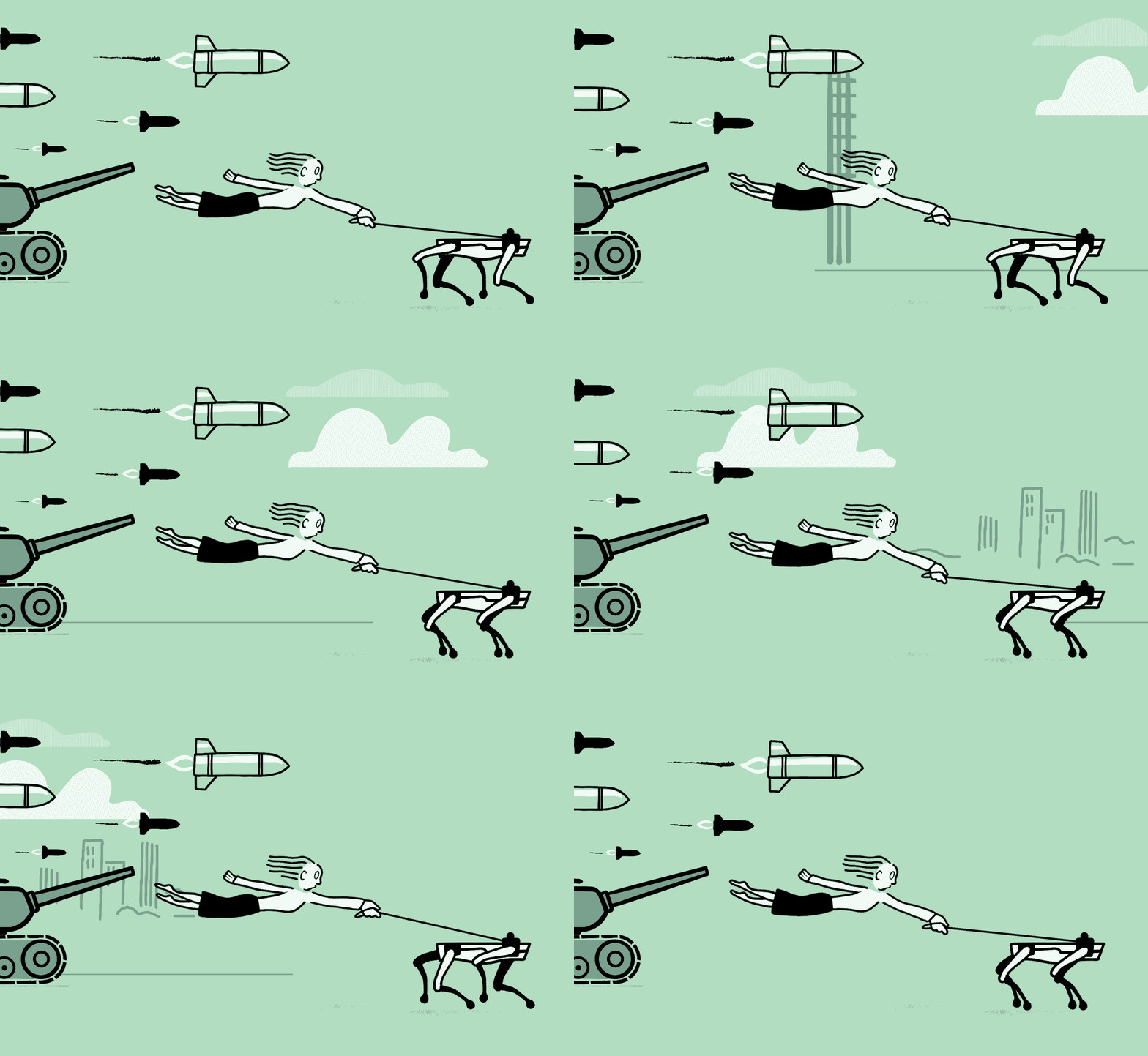
AI is de killer-app in Gaza en Oekraïne
In de hightech-oorlog speelt AI een twijfelachtige hoofdrol. Kunstmatige intelligentie helpt om doelwitten te selecteren en sneller toe te slaan, waarbij het hoge aantal onschuldige slachtoffers voor lief wordt genomen.
Sociale media
AP: ‘Overheid moet stoppen met Facebook als Meta privacy niet verbetert’
De Nederlandse overheid gebruikt Facebook onder meer om burgers voor te lichten. Maar als moederbedrijf Meta de privacyregels niet aanpast, moet de overheid daarmee stoppen, aldus de Autoriteit Persoonsgegevens.
Meer Economie
Meer
Wetenschap
In beeld
Bladluis lijkt wel een koorddanser op deze prijswinnende foto
Wekelijks een opmerkelijk beeld van een wetenschappelijke gebeurtenis. Deze week: een onfortuinlijke bladluis.
Volksgezondheid
Verbod op geboortejaar en 24,62 euro voor een pak shag: wat is de beste maatregel om roken uit te bannen?
In Groot-Brittannië ligt er een voorstel voor een ongekend strenge rookwet. Maar de kans is klein dat met alleen deze wet niemand meer gaat roken. Het gaat om het totaalpakket.
De elementen
Ytterbium komt uit een veel te bescheiden groeve in Zweden
Ieder scheikundig element heeft zijn eigen plek in het Periodiek Systeem. Ieder element heeft ook een bijzonder verhaal. Ytterbium
Alledaagse Wetenschap
Waren het de Russen die het Havana-syndroom veroorzaakten? Het nieuwe bewijs daarvoor is mager
Karel Knip stuit in de alledaagse werkelijkheid op raadsels en onbegrijpelijke verschijnselen.Deze week: onderzoeksjournalist Grozev komt met mager bewijs rondom het Havana-syndroom.
Meer Wetenschap
Meer
Cultuur
Analyse
Musical Awards
Musical Awards 2024: voor avontuur moet je naar de kleine musicals – of naar de grote favoriet
2024 was een goed musicaljaar, met veel veilige bekende, maar ook verrassende kleine producties, waarin opvallend veel maatschappijkritiek een rol speelt. Bijna honderd genomineerden maken woensdag kans op een Musical Award. De winnaar lijkt al vast te staan.
Recensie
Donizetti bij De Nationale Opera
|
●●●●
|
●●●
Soapachtige verwikkelingen én een onthoofding: Donizetti’s ‘Roberto Devereux’ biedt volop drama, en zwierige muziek
De Nationale Opera voltooit deze maand zijn ‘Tudor-trilogie’: een drieluik van Donizetti-opera’s. Slotdeel ‘Roberto Devereux’ is niet de beste van de drie. Sterke zang, gaaf orkestspel en fraaie beelden borgen desondanks een boeiende belcanto-belevenis.
Recensie
Dans
|
●●●●●
Met de riddergevechten in ‘Assembly Hall’ creëren Crystal Pite en Jonathon Young theatermagie
Heen en weer schakelend tussen een afgetrapt zaaltje in het dorpshuis en grootste veldslagen met ridders in vol ornaat creëren Crystal Pite en Jonathon Young in ‘Assembly Hall’ een magische theaterpuzzel.
Verborgen muziek
De ontdekking van Saramaccan Sound: de verborgen muziek aan de Suriname Rivier
In zijn zoektocht naar verborgen muziek trok producer Ian Brennan het regenwoud van Suriname in. Hij nam op hoe de halfbroers Robert Jabini en Dwight Sampi op hun veranda zongen over de rivier en het leven.
In Beeld
In beeld
Hier moesten Ariërs geboren worden
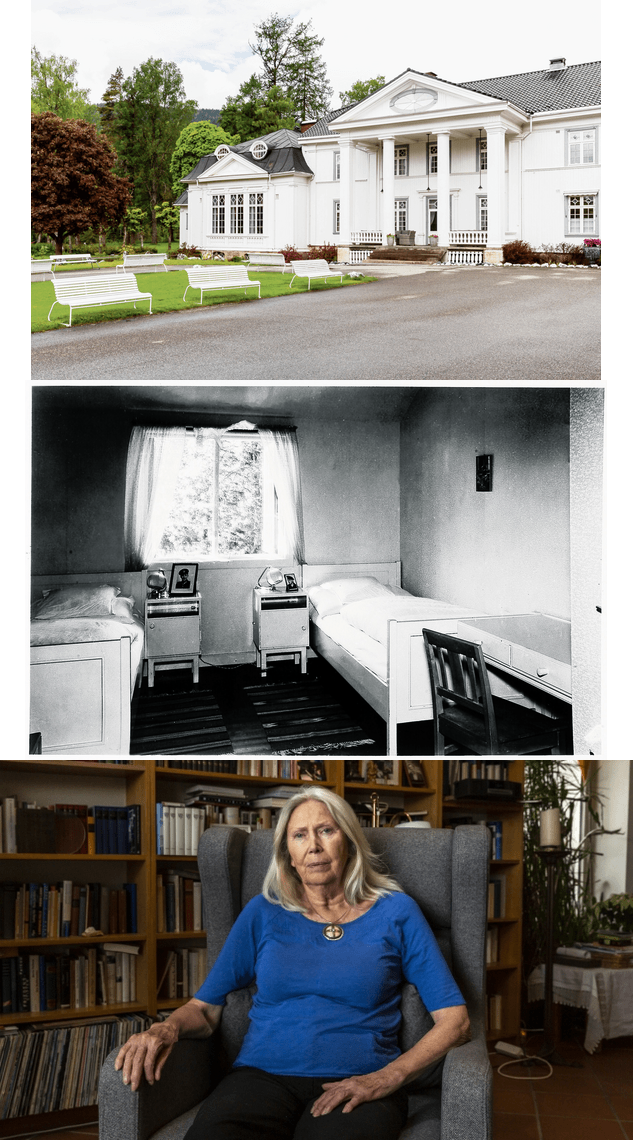
Angeniet Berkers verdiepte zich in Lebensborn-huizen. Daar bevielen in WO II veel alleenstaande moeders van kinderen die zij niet mochten houden, maar die wél een toevoeging zouden zijn voor het Arische ras.
Fotoprijs
World Press Photo bekroont ‘piëta’ van de Gaza-oorlog
De World Press Photo van het Jaar toont een treurende Palestijnse vrouw in Gaza, met op schoot het lichaam van haar omgekomen nichtje dat ze omarmt en tegen zich aan klemt. Ook minder actuele foto’s werden bekroond.
In Beeld
Gazanen keren terug naar het verwoeste noorden
Sinds steeds meer Israëlische troepen zich terugtrekken uit het noorden van Gaza, keren veel ontheemde Palestijnen terug naar hun inmiddels verwoeste woonplaats. Op beelden is te zien hoe duizenden mensen met bagage, fietsen en karren over de levensgevaarlijke kustweg naar het noorden van Gaza lopen.
In beeld
De terugkeer van Oleksandr Revtjoech naar het burgerleven
Oleksandr Revtjoech stoot met een rechtse directe in op zijn tegenstander. Acht maanden nadat hij zijn linkerarm en het grootste deel van zijn linkerbeen heeft verloren door mijnontploffingen tijdens gevechten in Oekraïne revalideert hij in de boksring.
Meer In Beeld
Meer
Leven
Interview
luisteren
Bij de Luisterlijn hebben ze geleerd: niet te snel reageren. Zelfs niet ‘ja ja’ zeggen
De vrijwilligers van de Luisterlijn luisteren. Naar iedereen die belt, waar het ook over gaat. „Eenzaamheid, dat komt telkens terug, dat is echt beroerd hoor.”
Interview
Ontgroening
De zoon van Ousmane Dia stierf tijdens de ontgroening. ‘Terwijl Sanda doodging, belden zij de allerbeste advocaten’
Ousmane Dia schreef een boek over zijn zoon Sanda, die stierf na mishandeling tijdens zijn ontgroening. De daders kregen taakstraffen. „Ik ben boos, maar voel geen haat.”
Ratings
Nul sterren voor al die ratings – het failliet van de beoordelingseconomie
Het is tijd om te stoppen met het geven van sterren aan alles en iedereen, schrijft Alex van der Hulst. Het systeem helpt vooral de rijke techbedrijven nog meer geld te besparen.
Janneke kookt
Zalm zonder zalm
Van gerookte zalm naar gerookte wortel: geen grote stap, en minstens zo lekker. Janneke Vreugdenhil brengt ‘plantificeren’ aan de man, met recept.
Meer Leven
Meer
Carrière
Ben Tiggelaar
|
Zo werkt dat!
Zo word je een vredestichter (op je werk)
Als er iets is waar managers een grote hekel aan hebben, dan is het ruzie in hun team. Jeanne Brett en Stephen Goldberg deden vele decennia onderzoek naar conflicten.
Spitsuur
‘We leven hier erg van dag tot dag’
Bertine van der Velde (44) en Ron Pierlot (52) runnen in de Achterhoek een pleeggezin met drie kinderen. Dat is hard werken; Bertine zegde haar baan op om fulltime voor de kinderen te kunnen zorgen. „Het is zwaar én het is mooi.”
Rubriek
DILEMMA'S OP DE WERKVLOER
Ik wil minder werken vanwege de werkdruk
Je hebt stress op je werk en neemt dat gevoel ook mee naar huis. Kun je zomaar minder gaan werken dan in je contract staat, en is dat ook de beste oplossing?
Rubriek
Spitsuur
‘Dit is voor ons een megaspitsuur in het leven’
Ze hebben vier jonge kinderen en veranderden net van baan. Oscar Hinze en Elsbeth Vermeulen verdienen nu veel minder en kunnen dus ook niet groter gaan wonen. „Maar wel fijn dat we dezelfde stap gezet hebben naar meer maatschappelijk betrokken werk.”
Meer Carrière
Meer
Tech en Media
Interview
Jeroen Akkermans
Journalist Jeroen Akkermans doet aangifte tegen Russische militairen: ‘Gerechtigheid voor Stan Storimans gaat ons allemaal aan’
RTL-correspondent Jeroen Akkermans heeft aangifte gedaan tegen zes Russische militairen die betrokken zouden zijn bij de dood van zijn cameraman Stan Storimans, in 2008. „De tijd werkt in het voordeel van de verdachten.”
TV-recensie
Kleine daden tegen de verwoesting van de natuur
Het zijn mensen die zich verzetten tegen ingrepen in de natuur door continue zelf in te grijpen, in de documentaire ‘Groenkijkers’. Soms doen ze denken aan liefdevolle verzorgers in een sterfhuis.
Recensie
De Podcastclub
Wat kost rust in een razende wereld?
Mirjam van Zuidam tipt een podcast over de zoektocht naar mogelijk verborgen gevaren van meditatietechnieken.
Recensie
De Podcastclub
Feiten en fabels over gezond leven
Net als iedereen heeft Mirjam van Zuidam vragen. Verraden onze genen hoe gezond we zijn? Ben je wat je moeder eet? Kan gezondheid in een potje zitten? En hoe slecht is alcohol nou echt?
Meer Tech en Media
Meer
Sport
Toerskiën
In het pikkedonker door de 'Tiefschnee' en langs afgronden – dit is de Patrouille des Glaciers
Hoe is het om mee te doen aan de zwaarste toerskiwedstrijd ter wereld, in de bergen van Zwitserland? Het parcours van de Patrouille des Glaciers (4.400 hoogtemeters) door de ogen van zesvoudig deelnemer Frits Vrijlandt.
Luik-Bastenaken-Luik
De vrouwenkoers eerst of gaan de mannen voor?
Wanneer gaat het vrouwenploton van start bij een klassieker? Met de groeiende populariteit van het wielrennen voor vrouwen wordt die vraag steeds belangrijker.
Column
Marijn de Vries
De bondscoach weet: mannen luisteren naar ‘ik’, vrouwen naar ‘wij’
De verschillen tussen mannen en vrouwen fascineren me, en in de sport worden die vaak behoorlijk uitvergroot.
Tactiek Feyenoord
De data-paradox bij Feyenoord: dominanter voetbal en meer kansen, maar minder doelpunten
Hoe ontwikkelde coach Arne Slot een iets andere speelwijze bij Feyenoord, dat zondag de finale van de KNVB-beker tegen NEC speelt? „Iemand die er niet zo veel verstand van heeft zal denken: ze doen nog hetzelfde.”
Meer Sport
Meer
Ondertussen
Ikje
Telwoorden
Dat Nederlands een lastige taal is voor buitenlanders, realiseerde ik me weer eens in een gesprek met mijn taalmaatje.
Ikje
Zakjes
Tijdens mijn bekkenbodemspreekuur zie ik, gynaecoloog, een vrouw die klaagt over een moeilijke stoelgang.
Boek uit de kast
In Alphen: weggejaagd bij de kachel, de toekomst in
Uit straatboekenkastjes in Nederland haalt Arjen Fortuin een boek, bespreekt het, en geeft het door. Vandaag Van de Hulst Jr. ‘Ik ben een oude juffrouw’

:format(webp)/s3/static.nrc.nl/images/gn4/stripped/data114532888-5d82ca.jpg)
:format(webp)/s3/static.nrc.nl/images/gn4/stripped/data114534727-9549a6.jpg)
/s3/static.nrc.nl/wp-content/uploads/2024/04/web-1904spovitesse.jpg)
/s3/static.nrc.nl/images/gn4/stripped/data114431650-35c236.jpg)
/s3/static.nrc.nl/images/gn4/stripped/data114519124-56d1db.jpg)
/s3/static.nrc.nl/wp-content/uploads/2024/04/1904binschol.jpg)
/s3/static.nrc.nl/hpe/64caf71-web-2004ZAT_iran.jpg)
/s3/static.nrc.nl/images/gn4/stripped/data114517190-29c841.jpg)
/s3/static.nrc.nl/images/gn4/stripped/data114518044-bb7aa9.jpg)
/s3/static.nrc.nl/liveblog/files/2024/04/web-1904buiiran.jpg)
/s3/static.nrc.nl/wp-content/uploads/2024/04/web-1904buipekingmarathon.jpg)
/s3/static.nrc.nl/images/gn4/stripped/data114520844-72de26.jpg)
/s3/static.nrc.nl/wp-content/uploads/2024/04/web-1904binjohannvelkers.jpg)
/s3/static.nrc.nl/wp-content/uploads/2024/04/web-1904buiargentinie.jpg)
/s3/static.nrc.nl/wp-content/uploads/2024/04/19092935/data114432613-036b4e.jpg)
:format(jpeg):fill(f8f8f8,true)/s3/static.nrc.nl/wp-content/uploads/2019/10/youp5bij3.png)
/s3/static.nrc.nl/images/gn4/stripped/data114532888-5d82ca.jpg)
/s3/static.nrc.nl/images/gn4/stripped/data114431650-35c236.jpg)
/s3/static.nrc.nl/images/gn4/stripped/data114534727-9549a6.jpg)
/s3/static.nrc.nl/wp-content/uploads/2019/10/youp5bij3.png)
/s3/static.nrc.nl/wp-content/uploads/2024/04/19132325/data114345811-80194e.jpg)
/s3/static.nrc.nl/bvhw/wp-content/blogs.dir/114/files/2019/01/graaf-beatrice-de-online-homepage.png)
/s3/static.nrc.nl/wp-content/uploads/2024/04/19092935/data114432613-036b4e.jpg)
/s3/static.nrc.nl/wp-content/uploads/2024/04/18134626/data114443882-1fdb41.jpg)
/s3/static.nrc.nl/wp-content/uploads/2024/04/18194331/data114478346-05de71.jpg)
/s3/static.nrc.nl/bvhw/files/2024/04/data114473749-a5b50c.jpg)
/s3/static.nrc.nl/images/gn4/stripped/data114474282-811882.jpg)
/s3/static.nrc.nl/bvhw/files/2024/04/web-1904culkeukendef.jpg)
/s3/static.nrc.nl/bvhw/files/2024/04/data114474246-de8542.jpg)
:format(jpeg):fill(f8f8f8,true)/s3/static.nrc.nl/taxonomy/bf9b707-commentaar-itemafbeelding-2024.png)
/s3/static.nrc.nl/taxonomy/a2585b9-Gacevic_liggend.png)
/s3/static.nrc.nl/wp-content/uploads/2019/07/fritshome.png)
/s3/static.nrc.nl/wp-content/uploads/2024/04/18172114/Artboard-3%25403x-100.jpg)
/s3/static.nrc.nl/images/gn4/stripped/data114443142-9d1095.jpg)
/s3/static.nrc.nl/images/gn4/stripped/data114429038-06f8b0.jpg)
/s3/static.nrc.nl/images/gn4/stripped/data114217025-df0e34.jpg)
/s3/static.nrc.nl/images/gn4/stripped/data114519297-1c03fd.jpg)
/s3/static.nrc.nl/bvhw/wp-content/blogs.dir/114/files/2021/09/floor-rusman1.png)
/s3/static.nrc.nl/bvhw/files/2024/04/data114484031-05f8b0.jpg)
/s3/static.nrc.nl/wp-content/uploads/2024/04/19144841/data114473110-d9e10d.jpg)
/s3/static.nrc.nl/bvhw/files/2024/04/data114479807-7df823.jpg)
/s3/static.nrc.nl/images/gn4/stripped/data114475508-99adaf.jpg)
/s3/static.nrc.nl/images/gn4/stripped/data114471123-5193d9.jpg)
/s3/static.nrc.nl/images/gn4/stripped/data114475862-18beb8.jpg)
/s3/static.nrc.nl/images/gn4/stripped/data114475080-ed89a3.jpg)
/s3/static.nrc.nl/images/gn4/stripped/data114470216-ad1152.jpg)
/s3/static.nrc.nl/images/gn4/stripped/data114436775-918772.jpg)
/s3/static.nrc.nl/images/gn4/stripped/data114518044-bb7aa9.jpg)
/s3/static.nrc.nl/images/gn4/stripped/data114517190-29c841.jpg)
/s3/static.nrc.nl/images/gn4/stripped/data114385952-e0aeff.jpg)
/s3/static.nrc.nl/images/gn4/stripped/data114484095-84e510.jpg)
/s3/static.nrc.nl/images/gn4/stripped/data114476735-a83a50.jpg)
/s3/static.nrc.nl/images/gn4/stripped/data114428027-2bbeeb.jpg)
/s3/static.nrc.nl/images/gn4/stripped/data114520844-72de26.jpg)
/s3/static.nrc.nl/images/gn4/stripped/data114481256-b420f5.jpg)
/s3/static.nrc.nl/images/gn4/stripped/data114474354-0fcc52.jpg)
/s3/static.nrc.nl/images/gn4/stripped/data114180430-700b8d.jpg)
/s3/static.nrc.nl/wp-content/uploads/2024/04/18103842/Copy-of-Copy-of-Homepage-gifje-met-fade.jpg)
/s3/static.nrc.nl/inbeeld/files/2024/04/web-inbeeldgazareturn11.jpg)
/s3/static.nrc.nl/inbeeld/files/2024/04/1104ingukraineamputees11.jpg)
/s3/static.nrc.nl/wp-content/uploads/2024/04/18155110/web-2004ZATlevLuisterlijn2.jpg)
/s3/static.nrc.nl/wp-content/uploads/2024/04/16102142/data114190729-503d74.jpg)
/s3/static.nrc.nl/wp-content/uploads/2024/04/16120031/data114133380-1ae06e.jpg)
/s3/static.nrc.nl/images/gn4/stripped/data114382092-b5b9b1.jpg)
/s3/static.nrc.nl/bvhw/files/2024/04/data114519270-f0eef7.jpg)
/s3/static.nrc.nl/images/gn4/stripped/data114479181-0de2bf.jpg)
/s3/static.nrc.nl/wp-content/uploads/2024/04/14184621/data114224455-da6bc1.jpg)
/s3/static.nrc.nl/images/gn4/stripped/data114171680-afd7d2.jpg)
/s3/static.nrc.nl/images/gn4/stripped/data114521090-1a7b1d.jpg)
/s3/static.nrc.nl/images/gn4/stripped/data114514500-396238.jpg)
/s3/static.nrc.nl/bvhw/files/2024/04/1704740981642-94df82e5a342e842e82b1e6b1638fdf8.jpeg)
/s3/static.nrc.nl/bvhw/files/2024/04/op-je-gezondheid1400a27b8037f9e86f938bf284f3a8f9822c.jpg)
/s3/static.nrc.nl/wp-content/uploads/2024/04/19150922/web-2004ZATnws_Glacier4.jpg)
/s3/static.nrc.nl/images/gn4/stripped/data114520628-00178b.jpg)
/s3/static.nrc.nl/bvhw/wp-content/blogs.dir/114/files/2022/06/vries-marijn-de-2022-05-02-1280-web.png)
/s3/static.nrc.nl/images/gn4/stripped/data114475704-9a0b0a.jpg)
:format(jpeg):fill(f8f8f8,true)/s3/static.nrc.nl/bvhw/wp-content/blogs.dir/114/files/2019/07/ikje5bij3-1.png)
/s3/static.nrc.nl/images/gn4/stripped/data114474257-4894cd.jpg)